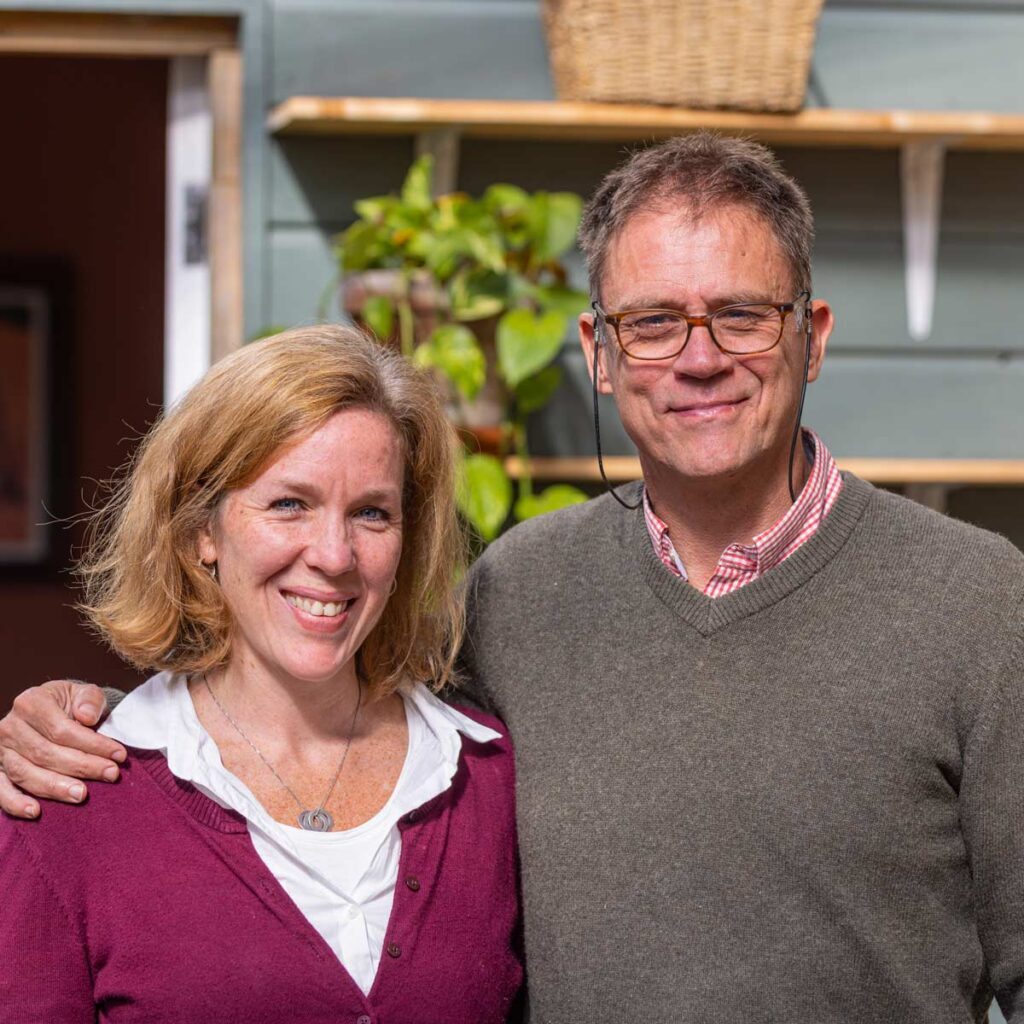
I doubt if we would have considered home education if we had remained in the UK. When we moved to Cyprus towards the end of 1997, our sons were 11 and 9 and had been attending an excellent CofE primary school in the UK. They asked to learn at home when we moved, at least for the first few months, to give us a chance to look at the local schools rather than plunging straight in. Their teachers assured us that they wouldn't lose out, and suggested some useful resources... so, with some trepidation, armed with as many educational books as we could fit in our luggage, I embarked on an attempt at emulating school in our new home.
That didn't work very well, and I could easily have become discouraged. But I found some helpful mailing lists online that showed me how education is so much more than the National Curriculum. We went through a period of 'de-schooling', and slowly found our own way of working. Gradually we realised it was a wonderful lifestyle: no hassles to get up early (Cyprus schools start around 7.45am!) , no worries about bullying or peer pressure, freedom to spend as long as we wanted to on any topic, and growing family closeness. I still didn't intend it to last for more than a year, but my sons surprised me by asking to continue into the secondary years, as they were so enjoying this relaxed way of learning.
God knew what he was doing when he led us into this, taking me just one small step at a time. Somehow the years rushed past, and we stopped even thinking about schools. Last year my older son (20) was accepted for two years on the MV Doulos, and my younger son (18) began a correspondence course degree in theology. They certainly didn't lose out educationally, and have the added bonus of getting along well with people of all ages.
In the past ten years I've become quite an advocate for home education, seeing the deterioration of classroom standards in so many schools, and the increased regulations and testing that stifle so many teachers. Some children do well in schools, but others don't for many reasons including personality clashes, late development, or kinaesthetic learning style. And for those on the mission field, even in westernised countries like Cyprus, there's the added problem of having to learn a foreign language rapidly or pay for private education. Home education enables children to continue learning in their own language, using resources from their own countries.
Are there any disadvantages?
It can be a bit lonely at times. Home education is not legal for Cypriots, so there are only a few ex-pat families home educating here, scattered around the island. There is, however, a flourishing and lively inter-church youth group close to our home, where our sons made some lasting friendships with other TCKs. They also got involved in the church band in their early teens, something that would not have been possible if they were in school. Of course, that kind of thing may not always be possible in some cultures. There were also useful local clubs: Scouting, drama, music, and so on, which we made use of. But still there were times when it felt as if we were on our own home educating. Without the Internet resources and mailing lists (mostly secular) to support and encourage, we might have given up.
Another potential problem is that one parent needs to be at home with the children. I always felt that was my calling; my husband's ministry is in media, and quite specialist, so my only role there was communicating with our supporters and providing some hospitality. But if husband and wife are both heavily involved in ministry, it would be difficult to give enough time to home education. I personally believe that we need to give our children all the time they need in the growing years - I've come across some adult MKs who feel resentment about having been sent to boarding school, or having struggled in a local school - but God guides each family differently. Home education does provide a lot of flexibility: in some families both parents provide some educational input and work in a 'shift' style around them; in others, one parent works at home in between educational activities. A bonus is being able to take furloughs or breaks outside peak holiday times!
How to get started with home education:
* If your children are in school, ensure they are de-registered. If home education is legal where you are living then there should be no problem. Even if schooling is compulsory for nationals, there may well be exceptions (or blind eyes turned) for ex-pats wanting their children to have education in their own language.
* Browse the Internet. There are rapidly increasing resources available, from simple educational games for primary children through to advanced courses in almost any subject, and many forums for home educators. If a broadband connection is possible and affordable, it's well worth having.
* Discuss, as a family, how the children would like to learn. Do they - and you - like structured workbooks and timetables, or would they prefer freedom to learn as and when motivation strikes? If they're old enough to have some idea of a future career, what qualifications might they need - if any - and are they possible to do from home?
* Don't order dozens of text-books and CD-Roms. We used very few of ours. Take it slowly and choose resources you need, with the Internet as your first port of call.
* Pray daily for wisdom and patience!
Sue
Sue's husband is involved in a media ministry reaching out to those in the Middle East. Sue writes, reviews books, and runs a site for home educators, http://home-ed.info
Keep reading
Related articles

Mission and Charity Overseas Trips: What you need to be insured for
If you are about to embark on the mission or charity trip of your lifetime, finding appropriate cover for your journey is not just part of being prepared, it is a crucial element of any overseas trip planning. This article takes you through the essential areas you need to be insured for.

Have Local Churches lost their Global Mission Vision?
Paul Gamston, Church Engagement Strategist with AIM, is exploring this question by surveying churches across the UK and determining how they see mission today. Here are some of his initial thoughts as he gets into the role.


Trauma
In this article, Mark and Jennifer Snelling, from High Meadow Retreat, share some reflections on what trauma looks like and how to address it, particularly from the perspective of Christian workers.